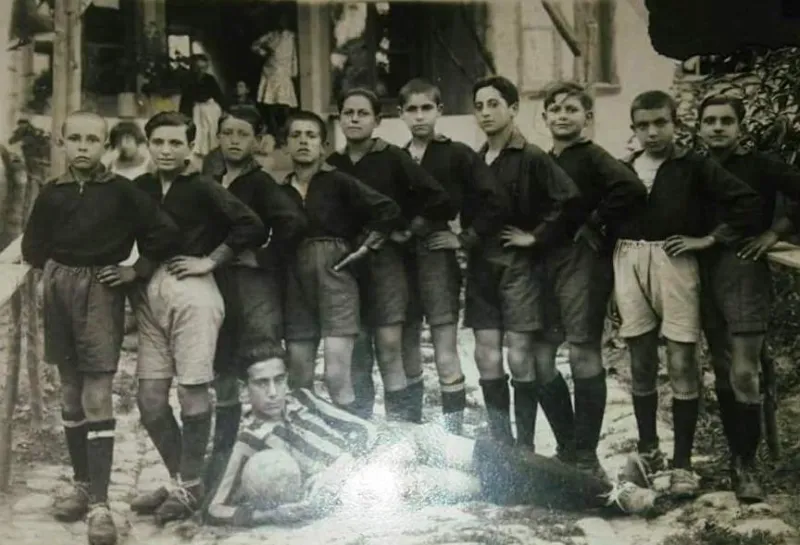
No TV, No Highlights, No Excuses: The Month Our U-12 Kids Became Their Own Coaches
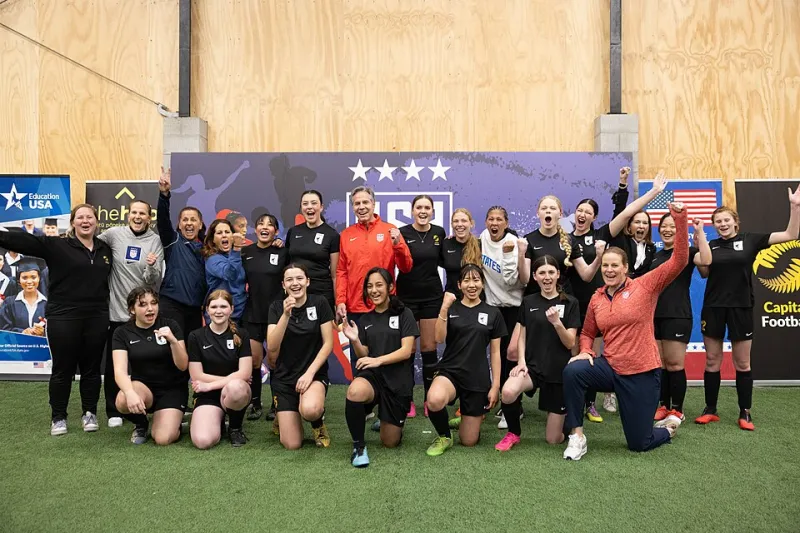
Photo: U.S. Department of State, Public domain, via Wikimedia Commons
Let's be honest: most American soccer kids watch more highlight reels than they play actual soccer. Scroll any youth team group chat and you'll find ten-year-olds with encyclopedic knowledge of Bellingham's movement and zero idea how to receive a ball with their back to pressure.
Coach Kenji Watanabe had noticed the same thing at FC Tokyo Park. So in early March, he did something that made half the parents gasp and the other half reach for their phones to cancel streaming subscriptions.
The Rule Was Simple. The Reaction Was Not.
For one full month, the U-12 roster was banned from watching professional soccer. Any pro match, any highlights, any YouTube compilations of teenage freestylers — all of it, gone. In its place, the kids were assigned homework that felt almost insulting in its simplicity: watch film of their own games.
Not the pretty goals. Not the compilations. The whole matches, including the 20-minute stretches where nobody on the field seemed to know what a wing was.
"I told them, you want to study the best? Fine. The best available footage of a player exactly your age, your position, your team — is you," Watanabe told me, grinning over a gas station coffee at 7 AM practice.
The first week was rough. Parents reported genuine withdrawal symptoms. One kid, according to his mom, "mourned like we'd taken away a pet." The team group chat, normally a firehose of Champions League reactions, went silent.
Becoming the Analyst
What replaced the scrolling was a system Watanabe adapted from his own playing days in the J-League youth ranks — a culture where self-analysis is drilled in almost from birth. Each player had to submit one "observation" per week after watching their own match footage. Not a highlight. An observation. Something they noticed.
The quality of those observations is what ended the debate among the parents.
Ten-year-old midfielder Priya Raman wrote, in week two, that she "always looks at the ball before it gets to me instead of checking over my shoulder before." No coach told her that. She found it on film, in grainy sideline footage shot by a dad with an iPhone 12.
Defender Marcus Webb noticed he "jogs back on defense when the ball goes away from me but sprints when it comes toward me," which is the kind of self-diagnosis that college programs pay analysts six figures to produce.
"That's when I stopped worrying," said Watanabe. "In Japan, hansei — reflection — is a skill like juggling. We just never trusted American kids to sit with a video of their own mistakes. Turns out they can."
The Parents' Verdict
Not everyone was sold, and honestly, some still aren't. Denise Webb, Marcus's mother, admitted she thought the whole thing was "a bit precious" at first. "We're a soccer family. Sundays are matchdays on the couch. Taking that away felt like a punishment."
But she came around by week three, when Marcus started pausing his own game footage and shouting "THERE, that's the switch!" at the TV — analyzing himself with the same intensity he used to reserve for Salah.
Other parents noticed something quieter: their kids stopped imitating. The freestyle flicks copied from Instagram clips gave way to simpler, uglier, more effective decisions. One forward on the roster — who shall remain nameless to protect the innocent — stopped attempting rainbow flicks in traffic for an entire month. His assist count doubled.
What the Numbers Said
Watanabe tracked a few things, nothing fancy: passes completed under pressure, first-touch success rate, and a stat he called "recovery decisions" — whether a player made the right call after losing the ball.
Over the four weeks, first-touch success climbed roughly 15%. Recovery decisions improved even more sharply, which Watanabe attributes to the film work: "When you've watched yourself lose the ball twelve times from twelve angles, you stop panicking when it happens in real life. You've already been there."
Small sample size, sure. No control group, definitely. Watanabe would be the first to admit this wasn't a peer-reviewed study. But the coaching staff noticed something the numbers couldn't capture: the kids started talking to each other differently on the field. Less shouting instructions copied from coaches. More actual conversations.
"Before, they'd yell 'switch!' because they heard a commentator say it," said assistant coach Dana Okafor. "Now they yell it because they know what it means and they know it's on."
So Should You Ban the TV at Your House?
Watanabe is careful on this point. He's not claiming pro soccer is bad for kids — he grew up idolizing Hidetoshi Nakata and turned out fine, more or less. The point of the experiment was never anti-watching. It was pro-understanding.
"Watching Messi is dessert," he said. "Watching yourself is vegetables. Kids need both, but the American youth scene only serves dessert."
His suggestion for parents curious about trying a version of this at home: don't ban anything. Just add the vegetables. Record the game on your phone. Sit down with your kid that evening and ask one question: "What did you notice?" Then be quiet and let them talk.
The month is over now, and the TVs are back on at FC Tokyo Park households. But something stuck. The kids still get film assignments. Priya still submits her weekly observations, unprompted.
And last Sunday, during a Premier League broadcast, one U-12 player reportedly turned to his dad and said, "His recovery runs are lazy. I saw that on my own tape."
The vegetables, it turns out, taste pretty good once you get used to them.