Small Spaces, Big Touches: Why Japanese Youth Soccer Methods Are Winning Over American Parents
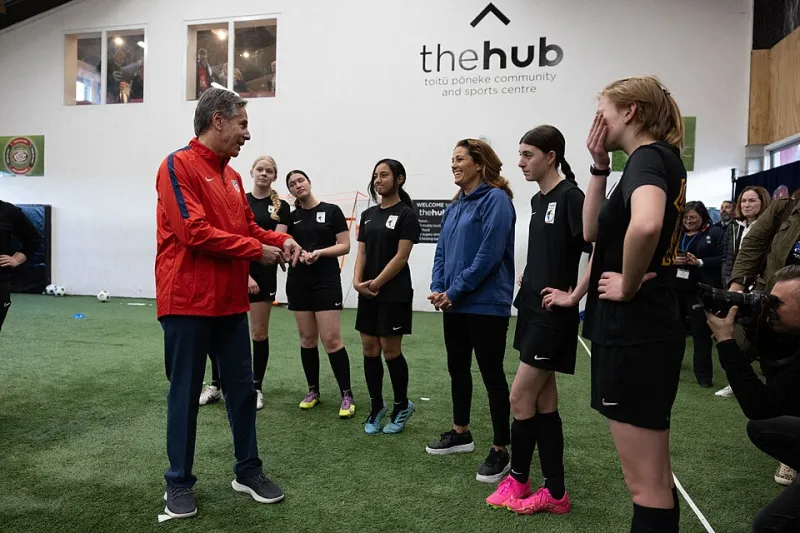
Photo: U.S. Department of State, Public domain, via Wikimedia Commons
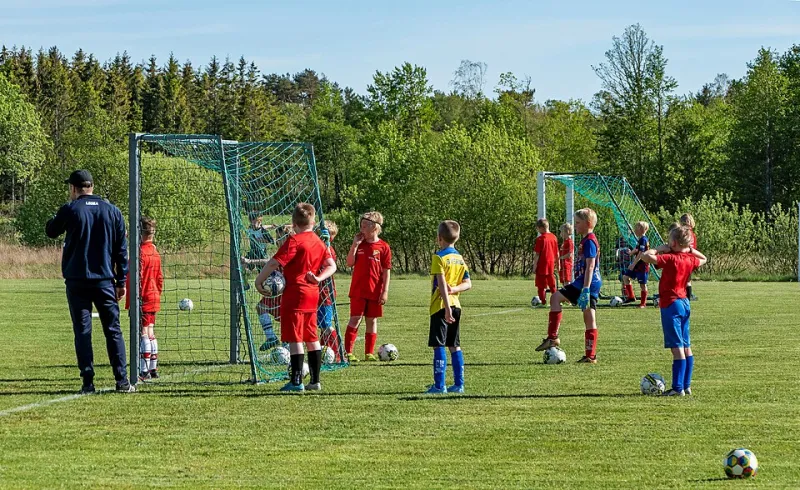
Walk past Field 2 on a Tuesday evening and you might think practice hasn't started yet. Twenty kids, an area smaller than a basketball court, and a ball each. No lines. No laps. Just constant, quick-footed chaos.
What you're actually watching is the core of FC Tokyo Park's youth philosophy — a Japanese-inspired approach to player development that's quietly challenging the way American kids have learned soccer for the last 30 years.
The Pay-to-Play Problem
Ask any American soccer parent about the youth landscape and you'll hear the same frustrations: travel teams costing thousands per season, showcases prioritized over skill work, and kids as young as nine being told they need to "get scouted."
The pay-to-play model rewards families who can afford the pipeline. It doesn't always reward the players who touch the ball the most.
"In the US, we got really good at organizing kids," says Coach Kenji Watanabe, who runs FC Tokyo Park's U10 program. "Big rosters, big fields, big tournaments. But a kid on a full-size field might touch the ball 30 times in a game. In our small-space sessions, they touch it 500 times in an hour. Which one do you think builds a player?"
What "Small Space" Actually Means
The Japanese development model — the one that produced players like Takefusa Kubo and Wataru Endo, and that's now visible across MLS rosters — leans on a simple idea: shrink the game, and technique grows.
At FC Tokyo Park, that translates into a few non-negotiables:
- One ball per player, always. Waiting in line is wasted development time.
- Tight grids before big fields. Kids learn to escape pressure because pressure is constant.
- First touch as a religion. Sessions open with receiving drills, not shooting contests.
- Mistakes are data. Coaches correct technique quietly and quickly, never with a benching.
The result isn't flashy. It's a 10-year-old who takes a touch under pressure without panicking — the kind of detail that separates players at every level above.
The Japanese Wave Reaching American Shores
This isn't happening in a vacuum. Japanese players and methods have never been more present in American soccer. MLS clubs have scouted the J-League heavily in recent years, drawn to players who are technically clean, tactically disciplined, and comfortable in tight midfield spaces. Meanwhile, the USMNT pipeline increasingly features players with connections to Japanese coaching philosophies.
Parents around FC Tokyo Park have noticed.
"My son played for two clubs before this," says Michelle Tran, whose 11-year-old joined last fall. "At the other places, it was all about winning the weekend tournament. Here, nobody asks about the score on Monday. They ask about his first touch. That shift changed everything about how he sees the game."
What Other Clubs Can Learn
The honest answer: most of this costs nothing.
Small-sided training doesn't require facilities, expensive technology, or a national license. It requires coaches willing to resist the temptation to coach from the sideline of a huge field, and clubs willing to tell parents that an U9 "showcase" is mostly theater.
There's a cultural piece, too. Japanese youth development treats soccer as a long apprenticeship, not a race. Patience is baked in. American clubs that can adopt even a slice of that patience — fewer tournaments, more touches — will develop players who stand out when it actually matters, around age 16 and beyond.
A Different Kind of Scoreboard
FC Tokyo Park doesn't pretend to have invented any of this. The club borrows openly from Japanese academies, street soccer culture, and whatever works. But the early returns are visible on the field: kids who want the ball in tight spots, who don't hide from pressure, and who still show up smiling.
In a youth soccer economy built on fear — of missing out, of falling behind, of wasting money — that might be the most radical development philosophy of all.