Pickup Games, Bento Boxes, and a Dream: The Untold Origin Story of FC Tokyo Park

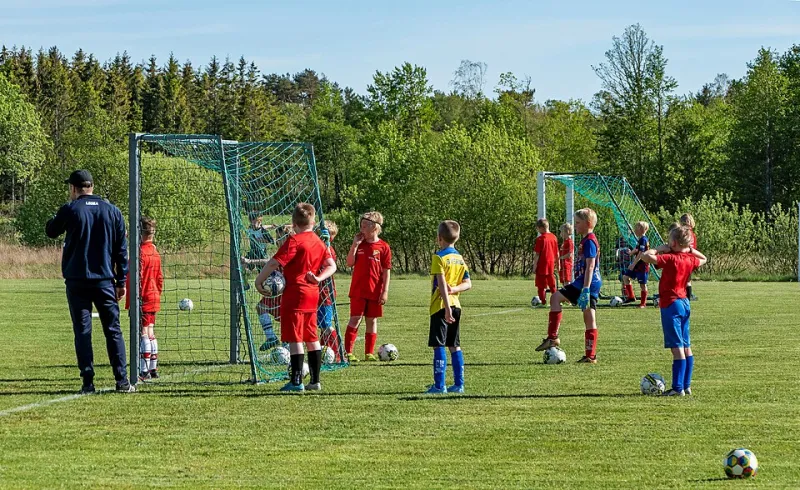
Photo: Hmlspiegel, CC BY-SA 4.0, via Wikimedia Commons
Every club has an origin story. Ours starts with a rented cone set, a cooler of onigiri, and about twelve guys who couldn't find a decent pickup game anywhere in the tri-state area.
It was the spring of 2016, and Kenji Watanabe — a salaryman-turned-entrepreneur who'd moved from Setagaya to Montclair five years earlier — was tired of watching his Sunday mornings disappear. "In Tokyo, football is everywhere," he told us over coffee last month. "Futsal courts under the highway, five-a-side leagues that start at 6 a.m., kids juggling balls on the Yamanote line platforms. Here? Nothing. I thought, fine, we'll build it ourselves."
From Twelve Guys to Three Teams
The first official session drew exactly twelve players to Brookside Park. Within a year, that number had tripled. By 2018, FC Tokyo Park fielded its first competitive squad in a local amateur league, and the club had added a women's side, a futsal program, and — perhaps most importantly — the youth academy that now anchors everything we do.
What never changed was the philosophy. Japanese football culture prizes something American soccer often overlooks: the unglamorous fundamentals. First touch. Body shape. Off-ball movement. "We don't care if you can do eleven stepovers," laughs founding member and current technical director Mika Sato. "Can you take a touch under pressure and keep the move alive? That's the question."
That ethos, borrowed heavily from the J-League's development culture — think FC Tokyo's own academy, which has produced internationals like Kenta Tanno and the gifted Masato Morishige — became the club's DNA. It shows in how our teams play: patient, positional, relentless in the press. It also shows in how the club behaves off the field.
The Culture Came With the Kit
Ask any longtime supporter what makes this place different and they'll mention the tailgate. Not the beer-and-brats kind — the bento kind.
"My daughter made me promise to never sell out the rice ball stand," jokes Yumi Nakamura, who's been volunteering on match days since 2019. "We have people who came for the soccer and stayed for the community. That's not marketing talk. That's literally how the club was founded — around a cooler of food in a park."
That spirit extends to the club's famous open-door policy. There are no tryout fees for the recreational squads, no closed training sessions, no VIP sections. When the men's first team won the Garden State Amateur Cup in 2022, the trophy spent the following week at a local ramen shop, where anyone could take a photo with it.
What Comes Next
Today, FC Tokyo Park runs programs for over 400 players, from under-6s learning to love the ball to over-40s who refuse to stop pressing. The club broke ground on its dedicated training pitch last fall, and conversations are underway about adding a competitive NPSL entry in the next few years.
But ask Watanabe if success has changed things, and he shakes his head. "We're still twelve guys in a park. There are just more of us now."
That's the story. That's the club. And honestly? We wouldn't have it any other way.