Behind the Shed Door: Kenji Watanabe's Shoebox Empire of '90s J-League Memories
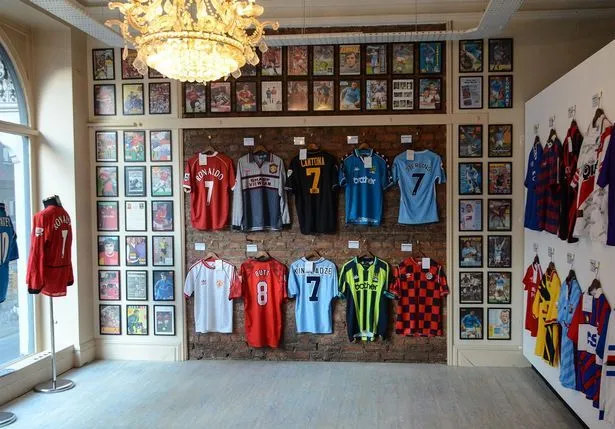
Photo: vintage soccer memorabilia collection jerseys posters display, via skyryedesign.com
There's a padlock on the storage shed at FC Tokyo Park that most people never think about. It holds cones, corner flags, a leaky bag of game balls, and — if you know to ask — one of the most charming little museums in American youth soccer.
Kenji Watanabe will tell you it's nothing. He'll wave his hand, mumble something about "just old paper," and then spend forty-five minutes walking you through every item like a docent who's been waiting his whole life for someone to ask.
Two Suitcases and a Stack of Programs
Kenji moved from Saitama to Columbus in 1998, back when the J-League was barely five years old and FC Tokyo had just clawed its way into the top flight. Shipping anything overseas was expensive, so he brought what fit: a shoebox of matchday programs, a folded replica jersey, and a season ticket stub collection from the club's debut year at the old Tokyo Stadium.
"At the time, it was just what I had," Kenji says, laughing. "You don't think, oh, I am preserving history. You think, this reminds me of home."
That shoebox grew. Word spread among the Japanese community in central Ohio, and envelopes started arriving — a player-worn away shirt from the 1999 season here, a promotional poster there. A retired club staffer visiting family in the States dropped off an original membership handbook. Before long, Kenji's garage was full, and his wife issued a reasonable ultimatum.
The shed at the park was the compromise.
The Museum Nobody Planned
Walk in today and you'll find laminated posters from the late '90s tacked along the walls, jersey displays hung on repurposed coat racks, and ticket stubs arranged chronologically on foam board. Kenji built the shelving himself out of leftover lumber from the snack stand renovation.
What makes the collection special isn't rarity — though a couple of items genuinely are hard to find even in Japan. It's the context. These are artifacts from the club our American-born kids cheer for on grainy livestreams at 2 a.m., presented by a guy who was actually there.
"My son thought J-League history started when we signed up for the club," says one U-13 parent. "Now he can name the 1998 squad. It's kind of ridiculous."
From Memorabilia to Pre-Match Material
Head coach Dana Ruiz spotted the teaching potential early. Before big matches, she'll bring small groups into the shed — five or six kids at a time, flashlights out, winter breath visible.
"I'll hold up a program from a match Kenji attended and ask them, what do you notice?" Ruiz says. "Ticket prices. The font. The fact that there are no phones in any of the photos. Then we talk about what loyalty looked like before streaming and highlight reels. Showing up. Every week. That lands differently than a lecture."
The U-15 captain, Priya Nair, calls the shed talks "the locker room, but with homework." She says the 1999 relegation-battle program Kenji walks them through has become a touchstone for the team's own tight stretches of fixtures.
"Those guys went through worse," she says. "And they kept buying tickets."
A Living Archive, Not a Shrine
Kenji is adamant that the collection isn't precious in the do-not-touch sense. Kids handle the programs. The jerseys get carefully tried on once a year, during the club's culture week. A replica of an early FC Tokyo banner hangs at every home match, faded ink and all.
He's also still collecting. A recent care package from a Tokyo supporter group included a 1997 program from the club's pre-promotion days — an item Kenji calls "the crown jewel, for now."
His one request, delivered with a perfectly straight face: stop calling it a museum.
"Museums have gift shops," he says. "I have a shed, a space heater, and a rule that you wipe your cleats."
Fair enough. But for a club built by immigrant families and their American-born kids, that shed might be the most important room we've got. It's proof that the thing we're building here in Ohio didn't start with us — and that the kids pulling on the jersey every Saturday are part of a story much bigger than one field, one season, or one shoebox.
The shed's open an hour before every home match. Kenji will be there. Ask him about the ticket stubs. Trust us.